

When “Bad PMS” Starts Ruining Half Your Month
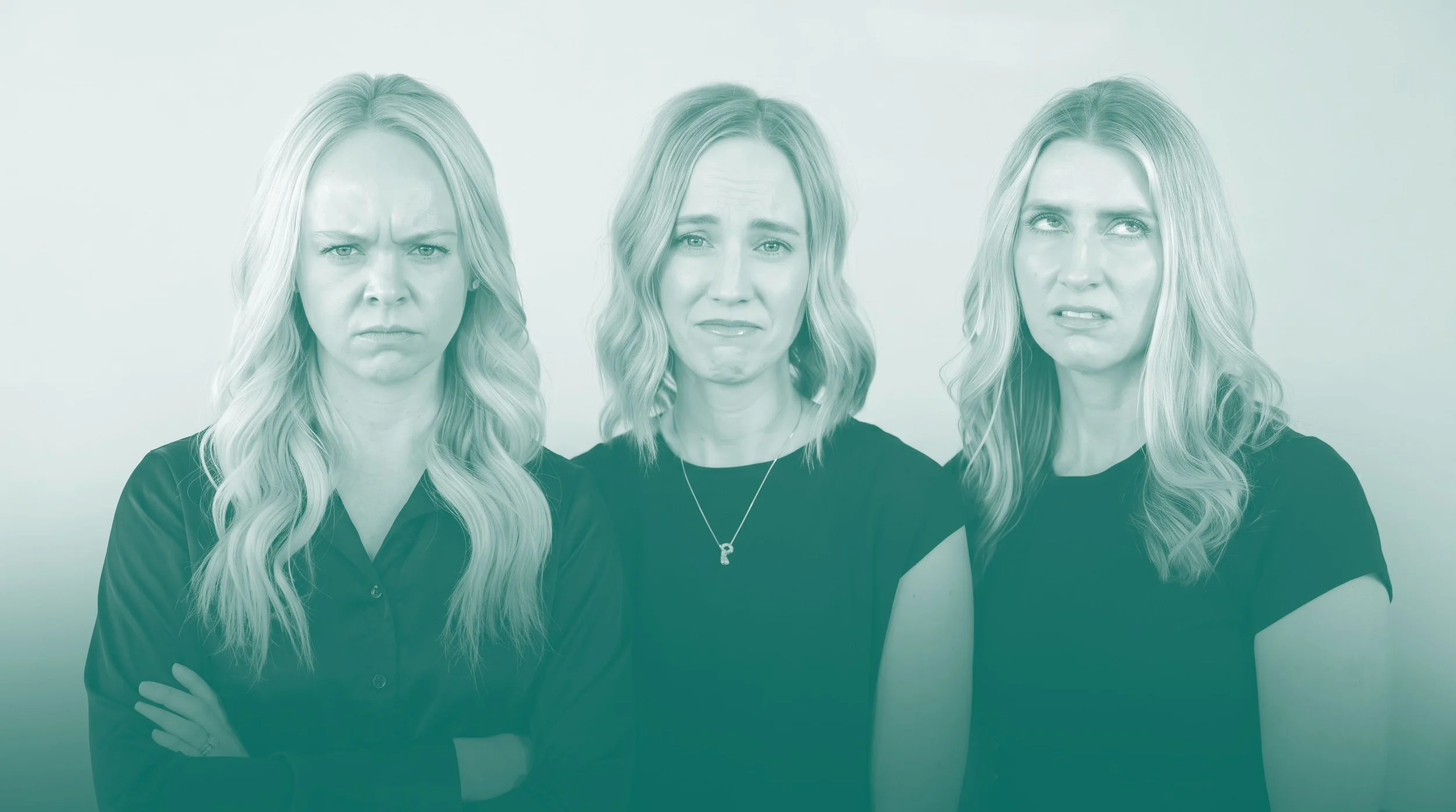
Amanda, Payton, and Chelsea are providers at Progress Weight Management in Fargo, ND, who support patients with PMDD, perimenopause, hormone changes, and mood symptoms in addition to obesity.
If you feel like a completely different person in the weeks leading up to your period (more anxious, more irritable, more overwhelmed) you're not imagining it. And if this has become more intense in your late 30s or 40s, there's a good reason why.
For many women, Premenstrual Dysphoric Disorder (PMDD) becomes more noticeable, or significantly worsens during perimenopause. This transition phase before menopause is marked by hormonal instability, and for some brains, that instability hits hard.
What Is PMDD?
PMDD is not just "bad PMS". It's a hormone related mood disorder that causes severe emotional and physical symptoms in the luteal phase (the 1–2 weeks before your period). Common symptoms include:
• Intense irritability or anger
• Anxiety or panic attacks
• Depression or hopelessness
• Brain fog or difficulty concentrating
• Fatigue and sleep disruption
• Feeling out of control or unlike yourself
A key feature of PMDD is timing. Symptoms reliably improve once your period starts.
Why Perimenopause Makes PMDD Worse
Perimenopause is often misunderstood as a time when hormones simply decline. In reality, it's more like a hormonal rollercoaster.
Estrogen and progesterone don't just drop-they spike and crash unpredictably. For women with PMDD the issue isn't just hormone levels, it's how the brain responds to hormonal changes. Research suggests increased sensitivity to fluctuations in estrogen and progesterone, particularly their effects on neurotransmitters like serotonin.
During perimenopause:
• Hormonal swings become more dramatic
• Cycles may shorten or become irregular
• Ovulation may be inconsistent
• All of this creates more opportunities for mood disruption
Signs It Might Be PMDD (Not Just Hormones)
It can be easy to dismiss symptoms as "just part of getting older," but PMDD has some distinct patterns:
• Symptoms are cyclical, not constant
• They appear in the luteal phase and improve after your period
• Mood changes feel intense or out of proportion
• You feel like a different version of yourself
• Symptoms interfere with relationships, work, or daily life
If that sounds familiar, it's worth looking deeper.
What Actually Helps
The good news: you do not have to just "power through" this. There are effective, evidence-based strategies that can make a meaningful difference.
1. Hormonal Support
Stabilizing hormone fluctuations is often key. This may include:
• Estrogen support
• Progesterone support
• In some cases, ovulation suppression
The goal is not just replacing hormones-but smoothing out the swings.
2. Targeted Use of Antidepressants
Selective serotonin reuptake inhibitors (SSRIs) are one of the most well-studied treatments for PMDD. Options include:
• Daily dosing
• Luteal-phase-only dosing (just during symptom window)
These medications can work more quickly in PMDD than in traditional depression.
3. Blood Sugar Stability
Blood sugar swings can worsen mood symptoms and irritability. Focus on:
• Adequate protein intake
• Balanced meals (protein + fat + fiber)
• Avoiding long gaps between meals
Small shifts here can have a surprisingly large impact.
4. Sleep + Nervous System Support
Hormonal sensitivity is amplified when the body is under stress. Helpful strategies:
• Prioritize consistent, quality sleep
• Exercise (walking, strength training)
• Stress regulation (breathing, mindfulness, time outdoors)
5. Cycle Tracking
Tracking symptoms alongside your cycle can be incredibly validating and clinically useful. It helps you:
• Confirm the cyclical pattern
• Anticipate symptom windows
• Time treatments more effectively
You do not have to keep living around your worst week
PMDD is common and it’s treatable. For many women, it can become more intense during perimenopause.
If you feel like a different person before your period, that matters. You do not have to tolerate it every month and hope it passes.
The first step is noticing the pattern. The next step is getting support that matches what your body is doing.
This blog is for educational purposes only and is not medical advice. PMDD, perimenopause, hormone symptoms, and mood changes can be complex, and treatment should be based on your health history, symptoms, and goals. Please talk with a qualified healthcare provider about what is right for you.